
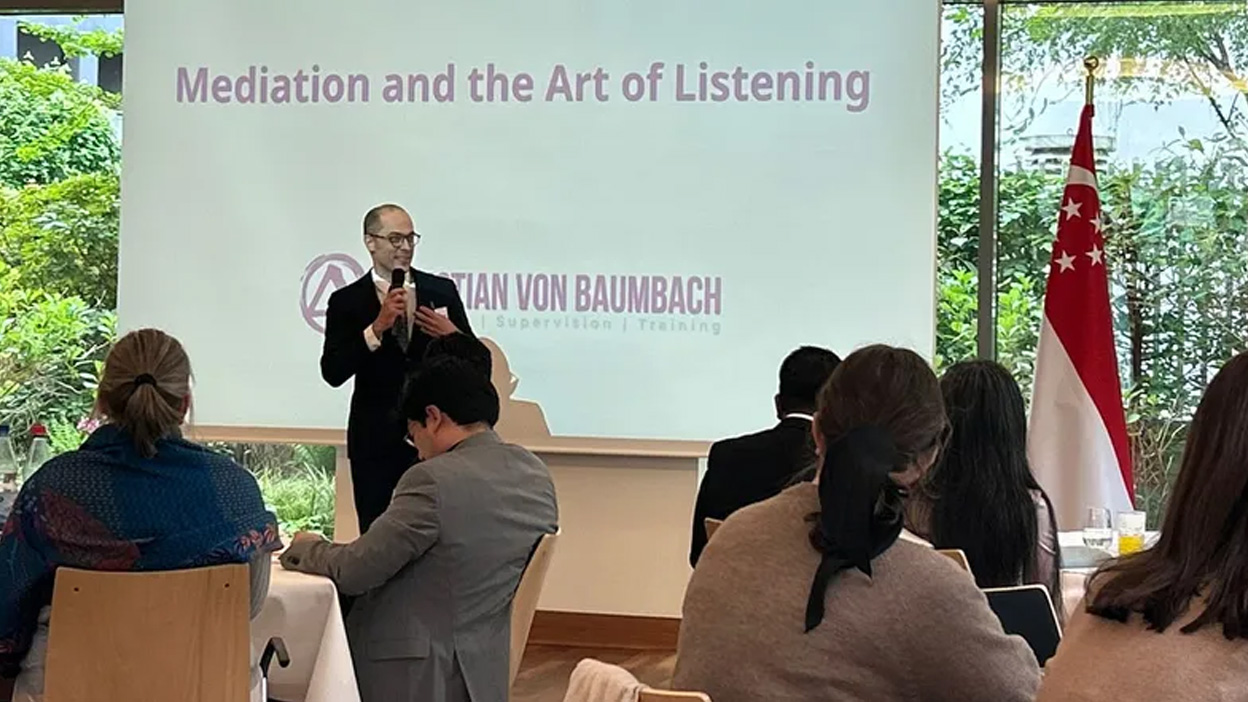
On 8 May 2026, my colleagues from MiKK e.V. and I were invited to the Singapore Embassy in Berlin to host a workshop. The focus was on the fundamentals of mediation and a highly effective communication technique: Active Listening. The technique fosters mutual understanding while at the same time expressing respect and appreciation.
I was deeply impressed by the participation of around 50 people from more than 20 embassies. It was wonderful to experience how many people from different countries are interested in engaging with one another and discovering collaborative, partnership-based approaches to conflict resolution. Januver Chow was a perfect host, creating a space in which we could truly meet.
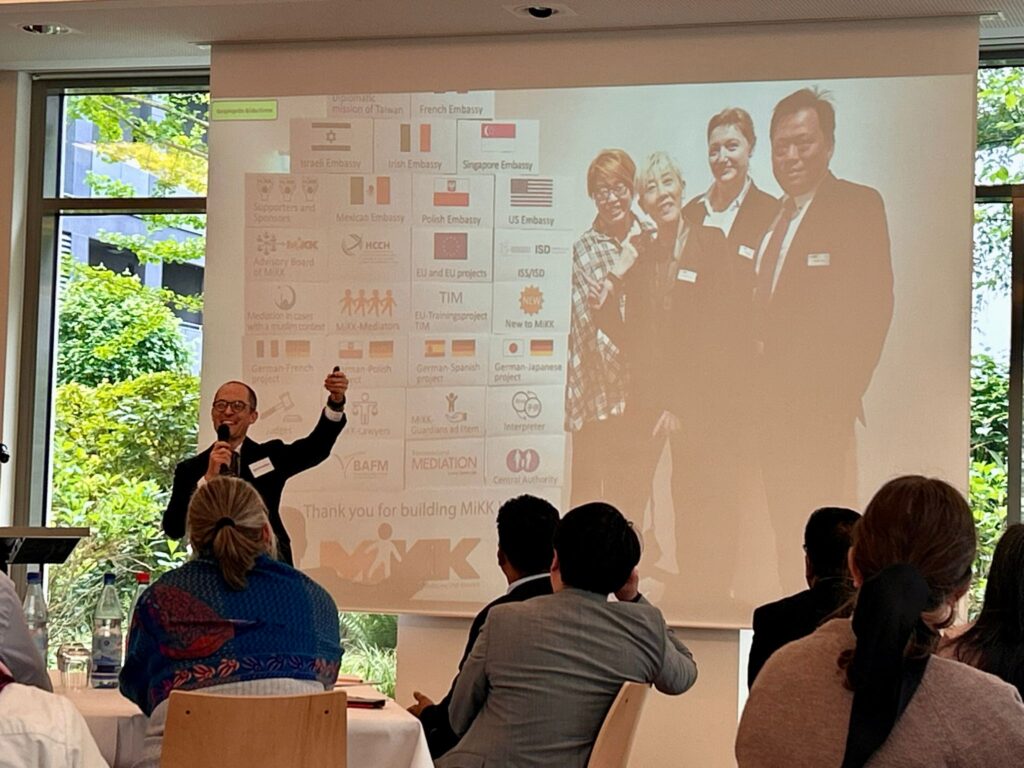
I opened the workshop with a fundamental observation: conflict is not a sign of failure, but an essential, natural part of human existence. The question is not whether conflicts arise, but how we deal with them. Unresolved conflicts tend to escalate — I illustrated this using Friedrich Glasl’s escalation model, which shows how quickly a seemingly minor issue can turn into an exhausting and destructive confrontation. Conversely, conflicts that are addressed constructively offer an opportunity for mutual understanding, for reshaping relationships, and for developing sustainable solutions.
This is precisely where mediation comes in: as a process for resolving disputes in which a neutral third party helps the conflicting parties enter into dialogue and find joint solutions to their concerns. I presented the benefits and principles of mediation and outlined the mediation process: from establishing the conversational framework, working with topics and interests, through to developing options and reaching shared decisions.

Particular emphasis was placed on Active Listening, the interactive part of the workshop. The technique follows three steps: 1. Listen 2. Summarise, mirror, reflect 3. Confirm. What sounds simple is demanding in practice: it requires withholding judgement, refraining from giving advice, and holding back one’s own opinion. Only then does genuine understanding emerge.
In the context of international mediation, I also introduced the Singapore Convention on Mediation, an important multilateral agreement that makes mediation settlement agreements enforceable across borders, giving mediation greater weight as a dispute resolution mechanism at the international level.
I also shared the story of my partner organisation PracticeForte from Singapore: their first contact with the embassy in Berlin dates back to 2018, when the two founders Mylene Chua and Susan Tay attended a MiKK training here — which also marked MiKK’s 10th anniversary. From that encounter, a connection grew that endures to this day. Eight years later, PracticeForte helped make this evening possible. A beautiful full circle — with even more people, more cake and more tea, just as Mylene and Susan had wished.
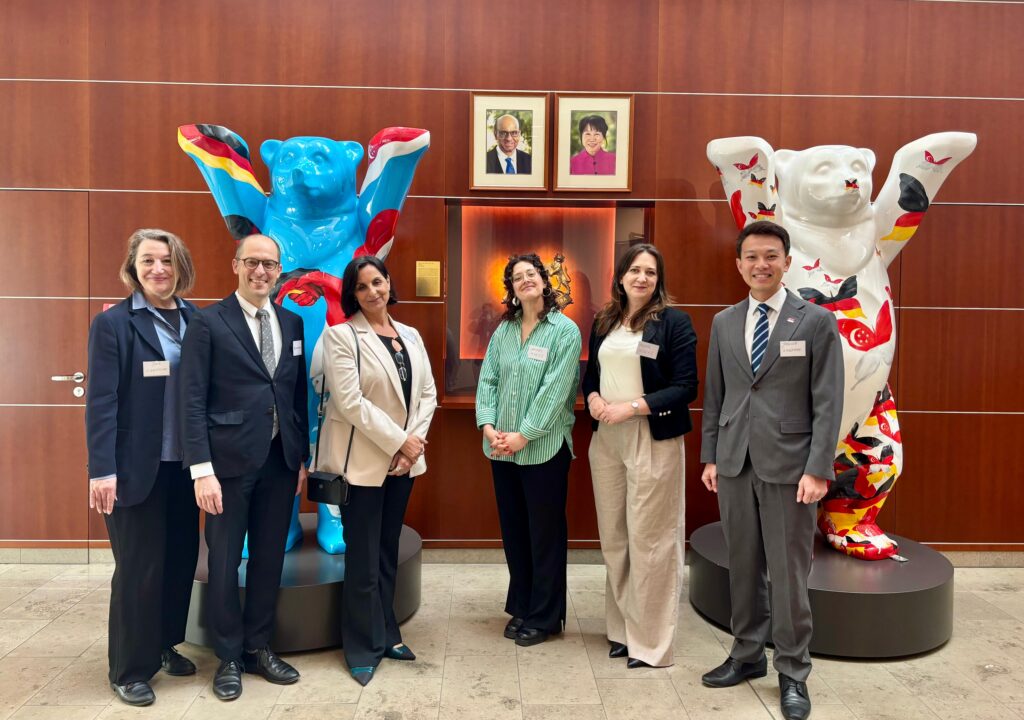
Ischtar Khalaf-Newsome, Co-CEO & Head of Advisory Services at MiKK e.V., then presented the organisation’s work, ranging from free multilingual counselling for affected parents to training for mediators, lawyers and judges in cases of cross-border family conflict.
The workshop concluded with an interactive exercise: participants listened to one another, each sharing a situation from their own life in which a conversation had been particularly difficult or an uncomfortable message had to be delivered. The participants engaged in lively exchange, focusing on listening — an experience that was clearly both enjoyable and connecting.
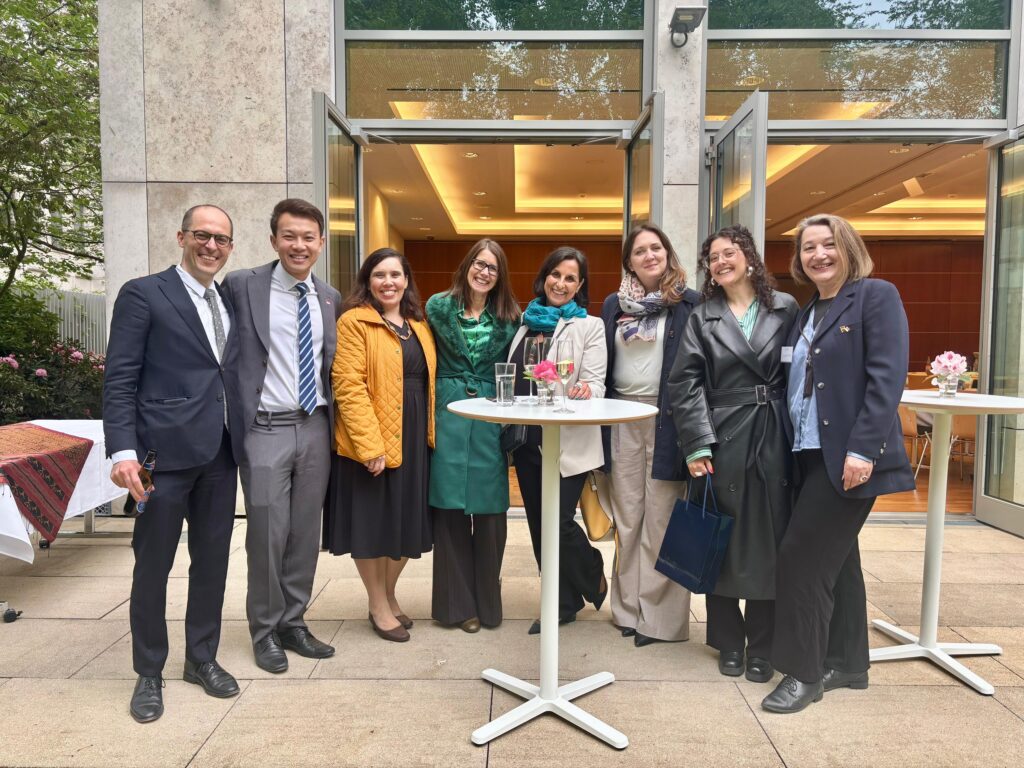
Once again, it became clear how valuable personal contact and exchange are when we are able to truly listen to one another, understand different perspectives, and learn from each other.